US Protests Rage Against US-Israel Iran Strikes: What's Next?
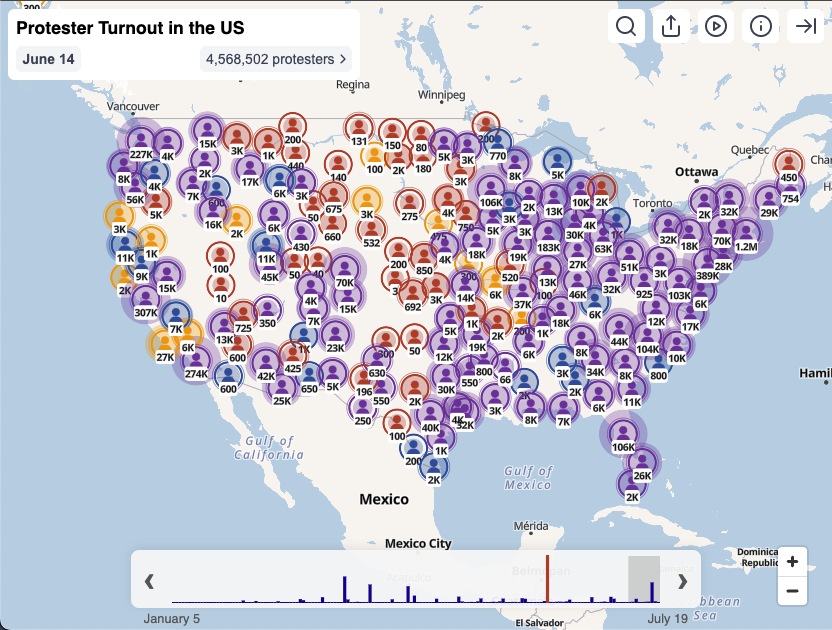
Across the United States, a powerful wave of anti-war sentiment has erupted following reports of US and Israeli airstrikes on Tehran, allegedly resulting in the death of Iran’s supreme leader, Ali Khamenei. From the steps of the White House to the bustling heart of Times Square, thousands have gathered, unified by a fervent desire to **protest US-Israel policy** and military involvement in the Middle East. These demonstrations aren't merely a reaction to a single event; they represent a deep-seated public discontent with what many perceive as an escalating and unauthorized path toward conflict, demanding immediate answers and a decisive shift in foreign policy direction.
A Nation Rises: The Immediate Aftermath of the Strikes
The news of the strikes reverberated quickly, igniting spontaneous and organized protests in major cities and smaller towns alike. In Washington D.C., activists congregated outside the White House, their chants echoing demands for de-escalation. New York City saw hundreds gather, transforming public spaces into forums for dissent. Protesters, like Sue Johnson, voiced sharp criticism, asserting that such military actions, especially without Congressional approval, push the nation toward authoritarianism. "It wasn't sanctioned by Congress," Johnson stated, highlighting a core grievance that speaks to a broader fear of unchecked executive power. The sentiment that President Trump acted unilaterally, driven by impatience rather than strategic necessity, fueled the outrage, with many viewing the strikes as an "unprovoked, illegal attack on Iran."
The rapid mobilization across the country underscores a collective anxiety about the prospect of another "endless war." Emergency protests were listed for cities including Atlanta, Baltimore, Boston, Chicago, Denver, Las Vegas, Los Angeles, Miami, and Minneapolis, with further gatherings planned in smaller communities like Albany, Chattanooga, Decorah, Gainesville, and Springfield. This widespread, grassroots response signals that a significant portion of the American populace is not only aware but actively engaged in challenging military actions that could plunge the nation into deeper and more catastrophic conflicts. The immediate response clearly indicates that the decision to pursue joint US-Israel military action against Iran has struck a raw nerve, provoking a widespread call to
Lawmakers & Activists Demand End to US-Israel Iran Conflict.
Unpacking the Grievances: Why Americans Are Taking to the Streets
The protests are underpinned by a mosaic of grievances, each contributing to the urgency of the call to **protest US-Israel policy**. Foremost among these is the profound concern for constitutional integrity. Many activists and legal scholars argue that the executive branch has overstepped its authority by initiating military action without specific, advance authorization from Congress, as mandated by the Constitution. The American Civil Liberties Union (ACLU) and numerous Democratic lawmakers have vociferously joined this chorus, drawing parallels to past conflicts from Vietnam to Iraq and Afghanistan, where executive-led military interventions often led to protracted and costly engagements. They insist that decisions on the use of military force unequivocally require Congressional consent.
Beyond constitutional concerns, there's a palpable fear of escalation and the human cost of war. New York’s DSA-aligned mayor, Zohran Mamdani, condemned the strikes as "a catastrophic escalation in an illegal war of aggression," warning of "bombing cities. Killing civilians. Opening a new theater of war." This sentiment reflects a broader public weariness with "regime change" wars and the devastating impact they have on civilian populations and regional stability. While many acknowledge the complexities of Iran's internal politics and concerns about its nuclear ambitions, as noted by protester Willie Cotton, there's a clear distinction between supporting internal demonstrations for human rights and condoning US military intervention. The core message from the streets is unequivocal: Americans do not want another war, and they are prepared to make their voices heard to prevent it. It's a clear indicator that
Americans Reject Illegal War: Protesting US-Israel Policy in Iran.
Beyond the Immediate: The Broader Context of US-Israel Policy in the Middle East
The current wave of protests cannot be fully understood without acknowledging the long and often controversial history of US-Israel policy in the Middle East. For decades, the alliance has been a cornerstone of American foreign policy, but it has also been a consistent point of contention for activists and a segment of the public. Critics of the policy often point to the perceived alignment with Israeli interests over broader regional stability, the extensive military aid provided to Israel, and the diplomatic support for actions that are seen by some as exacerbating conflicts or hindering peace processes.
In the context of the recent strikes on Iran, the joint nature of the operation amplifies concerns among protesters. It fuels arguments that US foreign policy in the region is inextricably linked to Israeli security concerns, sometimes at the expense of American lives and resources, and often without adequate public or congressional debate. This framing allows protesters to connect specific military actions, like the Iran strikes, to a larger narrative about US engagement in the Middle East and its relationship with key allies. The demonstrations become not just anti-war, but specifically about challenging the strategic underpinnings and perceived outcomes of **protest US-Israel policy** and its implications for regional stability and American values.
What's Next? Navigating the Future of US Foreign Policy and Public Dissent
The immediate aftermath of these protests presents a critical juncture for US foreign policy. What happens next could significantly shape America's role in the world and the domestic political landscape.
* **Continued Activism:** Expect sustained grassroots organizing. Protests will likely continue as long as tensions remain high, leveraging digital platforms and community networks to amplify messages and coordinate actions. These groups will likely push for legislative changes to curb presidential war powers, ensuring future military actions receive explicit congressional approval.
* **Congressional Response:** The pressure on Congress to assert its constitutional authority will intensify. Lawmakers will face increasing calls to debate war resolutions, enact specific legislation to limit presidential military actions, or even initiate impeachment proceedings if executive overreach is deemed severe.
* **Electoral Impact:** Foreign policy stances, particularly regarding military interventions in the Middle East and **US-Israel policy**, could become a significant talking point in upcoming elections. Candidates will likely be pressed to articulate clear positions on the use of force, international alliances, and the balance of power between the executive and legislative branches.
* **Shifting Public Opinion:** The protests may further solidify public opinion against military interventions, potentially leading to a broader societal re-evaluation of US global engagement and the resources allocated to defense versus domestic priorities.
For citizens looking to engage, several avenues exist: contacting elected officials, participating in local demonstrations, supporting organizations like the ACLU that advocate for constitutional checks and balances, and educating oneself and others on the complex geopolitical realities of the region. The power of informed collective action is a potent force in a democracy, capable of shaping policy and holding leaders accountable.
Conclusion
The widespread US protests against the US-Israel Iran strikes are a powerful manifestation of public discontent, signaling a fervent desire to **protest US-Israel policy** and military engagement. Fueled by constitutional concerns, a deep-seated fear of endless war, and a rejection of unilateral executive action, these demonstrations underscore a critical moment for American democracy and foreign policy. As citizens continue to make their voices heard, the pressure mounts on Congress and the administration to heed these calls for accountability, de-escalation, and a return to constitutional principles. The future remains uncertain, but one thing is clear: a significant portion of the American public is demanding a different path forward—one that prioritizes peace, diplomacy, and democratic oversight over the specter of another devastating conflict.