A Nation Mobilizes: Lawmakers & Activists Demand End to US-Israel Iran Conflict
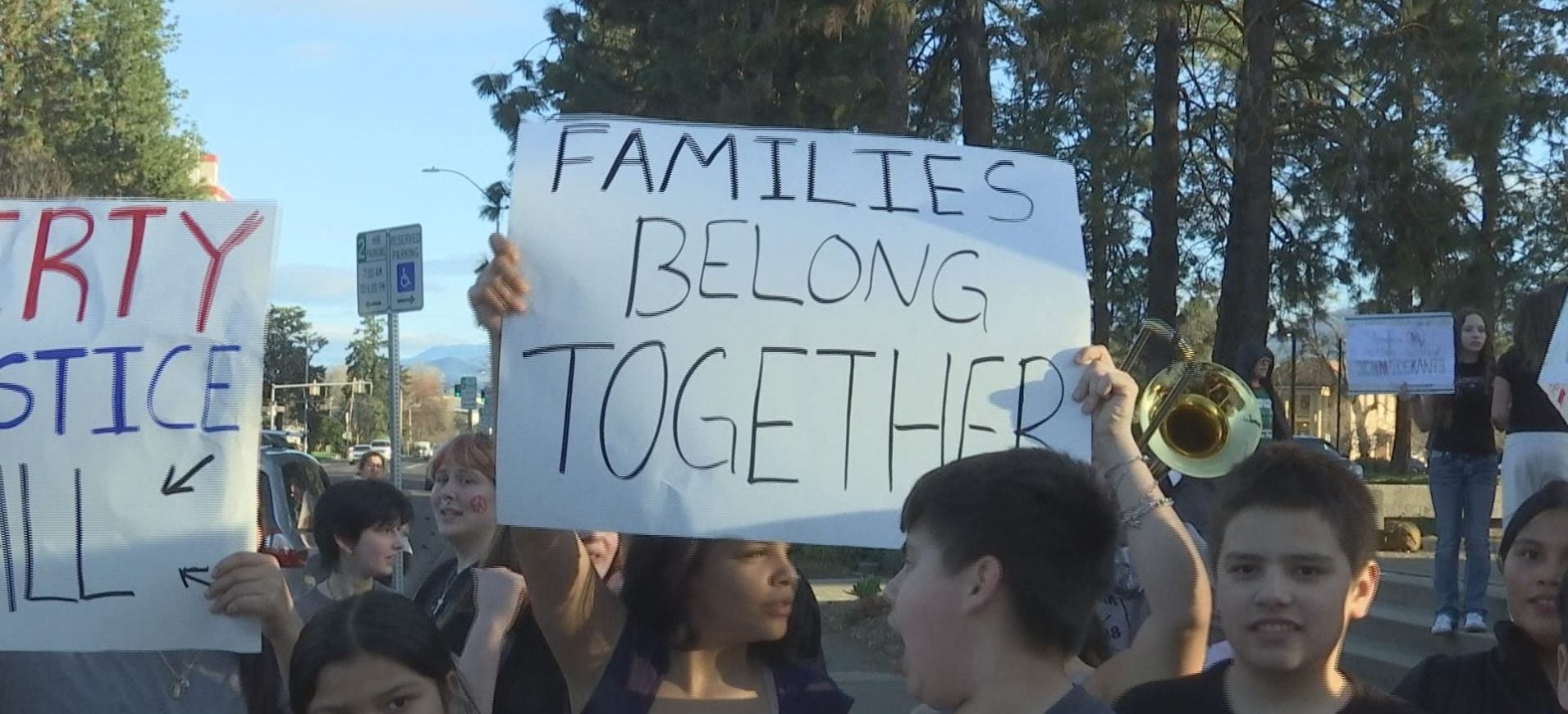
In a rapid and resounding display of public outrage, cities across the United States recently became hotbeds of anti-war sentiment following reports of devastating US and Israeli airstrikes on Tehran, which reportedly claimed the life of Iran’s Supreme Leader, Ali Khamenei. From the symbolic steps of the White House to the bustling heart of New York’s Times Square, thousands gathered to vociferously protest US-Israel policy in Iran, demanding an immediate halt to military escalation and a return to diplomatic engagement. This widespread mobilization underscores a deep-seated public rejection of what many perceive as an unauthorized and dangerous foray into another Middle Eastern conflict, igniting a fervent debate over presidential authority, constitutional mandates, and the true cost of war.
The swiftness of the protests, organized by various peace and justice coalitions, highlighted a nation on edge, wary of repeating past mistakes in foreign policy. Organizers declared that "Trump’s unprovoked, illegal attack on Iran is an act of war that threatens to cause unthinkable death and destruction." This sentiment reverberated through the streets, demonstrating a unified front against what activists and lawmakers alike condemned as a catastrophic escalation.
Widespread Outcry: From Major Metropolises to Smaller Towns
The call to action quickly spread beyond typical protest hubs, illustrating the breadth of opposition to the perceived unilateral military action. Emergency protests were confirmed in a remarkable number of cities, indicating a nationwide concern that transcended regional divides. Major urban centers saw significant turnout:
- Northeast: New York City (Times Square), Boston, Albany (NY)
- Mid-Atlantic: Washington D.C. (outside the White House), Baltimore
- Southeast: Atlanta, Miami, Gainesville (FL), Chattanooga (TN)
- Midwest: Chicago, Cincinnati, Minneapolis, Decorah (IA), Springfield (MO)
- West: Denver, Las Vegas, Los Angeles
The scale of this spontaneous mobilization points to a pre-existing national fatigue with military interventionism and a strong desire for peace. Many protesters voiced concerns that such actions were not merely aggressive but deeply unconstitutional, lacking the necessary congressional approval. Sue Johnson, a protester in New York, succinctly captured this sentiment: “It wasn’t sanctioned by Congress, so what Trump is doing is on his own terms, it’s making him a fascist and it’s making the country into a fascist state.” Her words underscored a prevailing frustration with what was seen as executive overreach and an impatient, ill-conceived foreign policy lacking a clear, justifiable rationale beyond stirring conflict. This surge of public demonstration serves as a stark reminder that while geopolitical strategies are crafted in corridors of power, their ultimate legitimacy and support rest with the people.
Constitutional Crisis and Executive Overreach: The Heart of the Discontent
At the core of the widespread protest against US-Israel policy in Iran is a profound concern over presidential authority and the erosion of constitutional checks and balances. Critics, including veteran civil rights groups and numerous Democratic lawmakers, argue that the strikes constitute an illegal act of war, bypassing Congress's sole power to declare war. The American Civil Liberties Union (ACLU) joined this chorus, reiterating its long-held position:
“The constitution is clear that decisions on whether to use military force require Congress’s specific, advance authorization.”
This steadfast insistence from the ACLU, echoing back through conflicts from Vietnam to Afghanistan, Iraq, Libya, Syria, and Yemen, highlights a consistent demand for adherence to constitutional principles. The sentiment expressed by protesters like Sue Johnson—"No president can attack or kidnap or bomb another country without the permission of the Congress"—reflects a broad public understanding, and indeed expectation, of how military force should be wielded by a democratic government. The perceived disregard for this constitutional mandate fuels accusations of executive overreach and a dangerous precedent for future administrations.
Many demonstrators lamented a growing sense of fait accompli surrounding recent foreign policy actions, where critical decisions are made and executed without meaningful debate or consent from the legislative branch. This perceived unilateralism, previously observed in actions such as the capture of Venezuelan President Nicolás Maduro, deepens public distrust and reinforces the belief that the executive branch operates increasingly unchecked. The New York’s DSA-aligned mayor, Zohran Mamdani, starkly articulated this concern, describing the strikes as a "catastrophic escalation in an illegal war of aggression. Bombing cities. Killing civilians. Opening a new theater of war." Such statements underline the urgent call for Congress to reclaim its constitutional role and assert its authority to prevent further unauthorized military actions. The demand is not just for an end to the current conflict but for a fundamental re-evaluation of how the U.S. engages militarily on the global stage, ensuring that all such decisions are made with the full consent and oversight of the people's representatives.
The Human Cost and the Call for Peace
Beyond the legal and political arguments, a powerful underlying current in the protests is a deep concern for the human cost of conflict. Activists and ordinary citizens alike voiced fears of "unthinkable death and destruction," lamenting the reality of "bombing cities" and "killing civilians." The specter of "another endless war" in the Middle East looms large in the public consciousness, evoking memories of protracted conflicts that have claimed countless lives, destabilized entire regions, and drained national resources without achieving lasting peace.
The specific objective of "regime change" was also widely condemned as an interventionist policy that often leads to unintended consequences and prolonged instability. Willie Cotton, a 48-year-old from Brooklyn, New York, encapsulated a nuanced public sentiment: while he expressed reservations about Iran acquiring nuclear weapons, he unequivocally stated, "I am opposed to US bombing." This reflects a broader understanding that while geopolitical concerns exist, military intervention is often not the answer and can exacerbate rather than resolve complex international issues. Furthermore, many protestors expressed solidarity with Iranian citizens, supporting domestic demonstrations against the regime, but drawing a clear line between internal dissent and external military aggression. This perspective underscores a demand for foreign policy that respects national sovereignty and avoids actions that could inadvertently harm the very populations it claims to assist.
The collective cry for peace is not merely an abstract ideal but a practical imperative, recognizing that military escalation almost invariably leads to a humanitarian crisis, mass displacement, and long-term resentment. The protests represent a collective moral stand against what many perceive as a callous disregard for human life and a short-sighted approach to international relations. The fear of opening a "new theater of war" is palpable, signifying a recognition that the repercussions of such actions extend far beyond immediate military objectives, potentially unraveling regional stability and inviting retaliatory actions that could spiral out of control. The call for an end to the US-Israel Iran conflict is thus deeply rooted in a humanitarian plea for de-escalation, diplomacy, and a foreign policy guided by prudence and respect for human dignity.
Navigating the Geopolitical Landscape: What's Next for Activism?
The swift and widespread protest against US-Israel policy in Iran demonstrates the enduring power of grassroots activism in attempting to influence foreign policy. While the immediate outcome of such protests might not always dictate government action, their cumulative effect can be significant, shaping public discourse, informing legislative debates, and setting limits on executive power. History is replete with examples, from the anti-Vietnam War movement to demonstrations against the Iraq War, where public pressure ultimately played a crucial role in altering policy or preventing further escalation.
For those concerned about the ongoing US-Israel Iran conflict and the broader trajectory of Middle East stability, sustained engagement is key. Here are practical ways citizens can continue to make their voices heard and advocate for peace:
- Contact Your Representatives: Directly communicate your concerns to your Members of Congress and Senators. Demand that they assert their constitutional authority over war powers and oppose unauthorized military actions. Personal letters and calls often carry more weight than form emails.
- Support Advocacy Groups: Organizations like the ACLU, CodePink, and Veterans For Peace are at the forefront of demanding accountability and advocating for diplomatic solutions. Financial contributions, volunteer efforts, or simply sharing their educational materials can amplify their impact.
- Stay Informed: Critically evaluate news sources and seek out diverse perspectives on the conflict. Understanding the complexities of the region and the historical context is crucial for effective advocacy.
- Participate in Peaceful Demonstrations: Attending rallies and marches, even in smaller numbers, sends a visible message to lawmakers and the media that there is broad public opposition to military intervention. These gatherings also serve as vital community-building opportunities for like-minded individuals.
- Engage in Local Dialogues: Organize or attend local community meetings, teach-ins, or discussion groups to foster deeper understanding and collective action on foreign policy issues.
The immediate challenge lies in ensuring that these initial bursts of protest translate into sustained pressure on policymakers. The long-term impact of these demonstrations will depend on the ability of activists to maintain momentum, form broader coalitions, and educate the public on the constitutional responsibilities of Congress and the executive branch regarding military engagements. By doing so, they can help ensure that decisions of war and peace are not made unilaterally but through a process that reflects democratic values and respects human life.
Conclusion: A Resolute Demand for Peace and Constitutional Governance
The widespread protests against the US and Israeli strikes on Iran represent far more than a knee-jerk reaction to a single event; they are a profound manifestation of public weariness with endless wars, a resolute demand for constitutional adherence, and a powerful call for diplomacy over military might. From bustling city squares to quieter community gatherings, citizens across the United States have made it unequivocally clear: they reject a foreign policy based on executive fiat and military escalation, especially one that risks "unthinkable death and destruction." The outrage expressed by lawmakers and activists alike highlights a nation grappling with its role on the global stage, seeking a path that prioritizes peace, respects international law, and upholds democratic principles. As the debate over the US-Israel Iran conflict continues, the collective voice of these protests serves as an essential reminder to policymakers that the power to wage war ultimately rests with the people, who are increasingly demanding a foreign policy that truly serves the interests of peace and stability, both at home and abroad.