Americans Reject Illegal War: Protesting US-Israel Policy in Iran
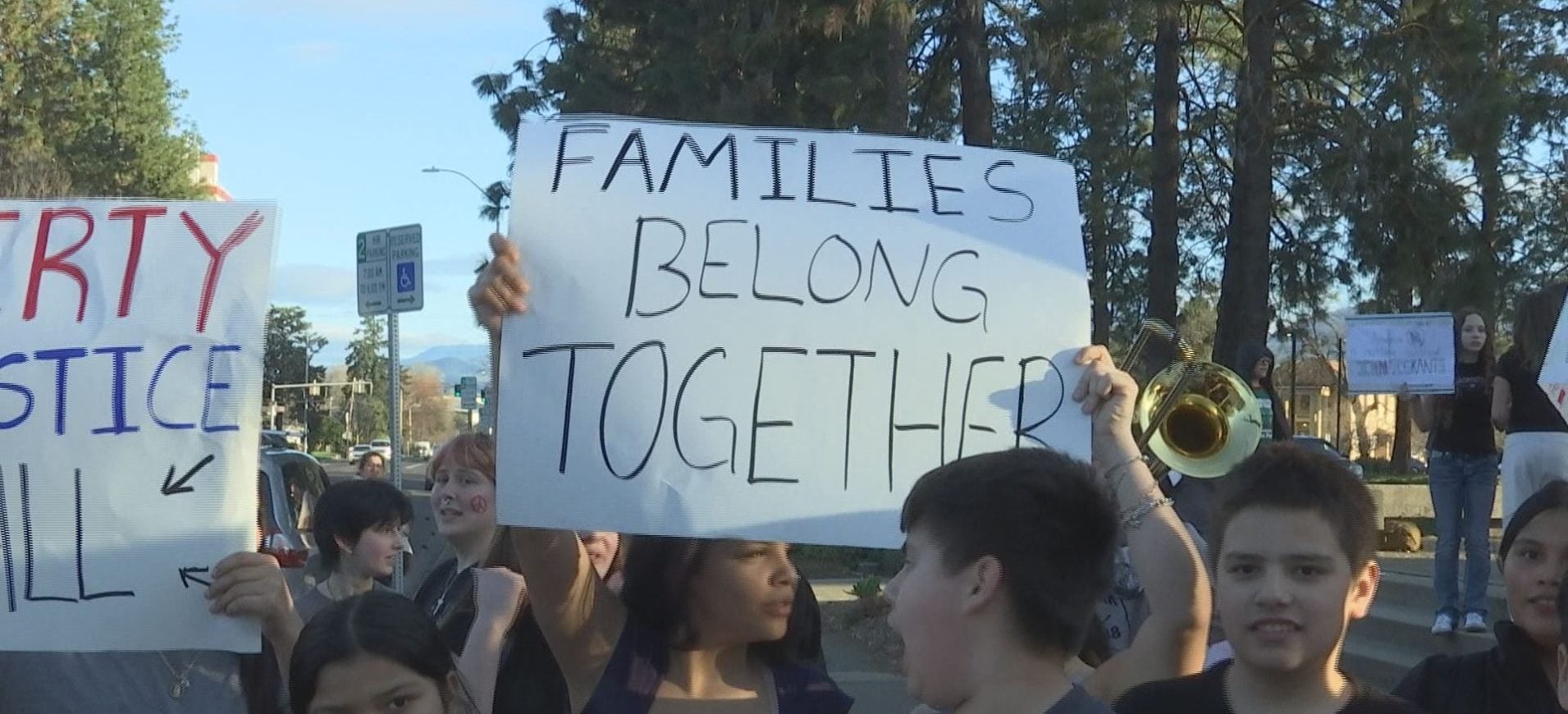
The recent allegations of US and Israeli airstrikes on Tehran, which reportedly resulted in the death of Iran’s supreme leader, Ali Khamenei, reverberated far beyond the Middle East. Across the United States, a powerful wave of public dissent erupted almost immediately, transforming into a nationwide movement. From the steps of the White House to the bustling heart of New York’s Times Square, and in dozens of cities nationwide, Americans took to the streets to vigorously **protest US-Israel policy** regarding Iran, expressing profound opposition to what many perceive as an illegal, unprovoked, and dangerous act of war. This article delves into the core reasons behind this significant public outcry, the legal and moral arguments raised by citizens and civil liberties advocates, and the broader implications of these widespread demonstrations for American foreign policy.
A Nation United in Opposition: The Immediate Fallout of Alleged Strikes
News of the alleged strikes spread rapidly, igniting a swift and potent response from concerned citizens. Major metropolitan areas like New York, Washington D.C., and Los Angeles became immediate focal points for anti-war rallies, with hundreds and sometimes thousands gathering to voice their disapproval. The central grievance, articulated repeatedly by demonstrators, centered on the striking lack of congressional authorization for such a military intervention. Protesters underscored the constitutional framework, arguing that no president possesses the unilateral authority to launch an attack or engage in military action against another sovereign nation without explicit permission from Congress.
One prominent voice among the throngs of New York City protesters articulated a widely held sentiment, stating that actions undertaken without congressional consent risk transforming the presidency into a "fascist" role and the nation itself into a "fascist state." Many critics characterized the move as an impulsive act, questioning the stated rationale and hinting at broader geopolitical motivations rather than a clear threat to national security. This immediate public reaction underscored a deep-seated public aversion to escalating military conflicts, particularly those initiated without clear constitutional authorization, reflecting a widespread distrust of executive overreach in foreign policy decisions. This "fait accompli" approach to international relations, observed in various foreign policy actions of the previous administration, significantly fueled public frustration and the desire to **protest US-Israel policy** perceived as reckless.
Decoding the Discontent: Why Americans Protest US-Israel Policy
The outpouring of opposition is not merely a knee-jerk reaction to a single event; it stems from a profound and long-standing weariness of "endless wars." For many Americans, the memory of past military engagements – from Vietnam to the prolonged conflicts in Iraq and Afghanistan, and interventions in Libya, Syria, Yemen, and Somalia – serves as a stark reminder of the devastating human and economic costs of war. The prospect of opening "a new theater of war" in Iran, threatening "unthinkable death and destruction," ignites a deep-seated fear that the nation is being dragged into another costly conflict based on potentially flawed pretenses or desires for "regime change."
The sentiment that the U.S. does not want "another war in pursuit of regime change" resonates deeply. While individuals like Willie Cotton of Brooklyn, New York, expressed opposition to Iran possessing nuclear weapons, his immediate and overriding concern was the rejection of U.S. bombing. This nuanced perspective highlights a desire for diplomatic solutions and de-escalation rather than military confrontation, even when genuine geopolitical concerns exist. The widespread desire to **protest US-Israel policy** in this context represents a fundamental demand for restraint, diplomacy, and a foreign policy that prioritizes peace and stability over military might. For a deeper dive into the immediate aftermath and future trajectory of these events, explore our related article:
US Protests Rage Against US-Israel Iran Strikes: What's Next?.
The Constitutional Imperative: Lawmakers and Activists Demand Accountability
At the heart of the nationwide protests lies a potent constitutional argument. Organizations like the American Civil Liberties Union (ACLU), a veteran civil rights group, have been steadfast in their insistence that the Constitution is unequivocally clear: decisions regarding the use of military force require "Congress’s specific, advance authorization." This principle has been consistently invoked from the Vietnam War through to the present day, emphasizing the critical role of checks and balances in preventing unilateral executive action that could plunge the nation into conflict.
Scores of Democratic lawmakers swiftly joined the ACLU in demanding immediate congressional action to curb what they deemed an unconstitutional use of military force. New York’s DSA-aligned Mayor Zohran Mamdani explicitly condemned the US and Israeli strikes on Iran as "a catastrophic escalation in an illegal war of aggression," warning against the bombing of cities and the killing of civilians. This collective voice of elected officials and civil liberties advocates further amplifies this urgent call, as detailed in
Lawmakers & Activists Demand End to US-Israel Iran Conflict. The protests, therefore, are not merely about opposing a particular foreign policy decision, but also about defending the fundamental principles of American democracy and holding the executive branch accountable to the rule of law.
Engaging for Change: How to Effectively Protest US-Israel Policy
The widespread nature of these protests – which included "emergency protests" in cities like Atlanta, Baltimore, Boston, Chicago, Cincinnati, Denver, Las Vegas, Los Angeles, Miami, and Minneapolis, and smaller gatherings in places such as Albany, Chattanooga, Decorah, Gainesville, and Springfield – demonstrates a robust and geographically diverse movement. For citizens concerned about foreign policy and seeking to make their voices heard, there are several effective avenues:
* **Understand Your Rights:** The right to peaceful assembly and free speech is fundamental. Knowing these rights empowers you to participate safely and effectively in demonstrations.
* **Contact Your Representatives:** Regularly communicate with your Senators and House Representative. Phone calls, emails, and physical letters all carry weight. Clearly state your opposition to unsanctioned military action and advocate for diplomatic solutions and congressional oversight in foreign policy. Consistency is key.
* **Support Advocacy Groups:** Civil liberties organizations, anti-war groups, and human rights advocates play a crucial role in lobbying lawmakers, educating the public, and organizing protests. Your financial support, volunteer time, or simply sharing their research can significantly amplify their efforts to **protest US-Israel policy**.
* **Engage in Community Organizing:** Join local activist groups, attend teach-ins, or organize discussions in your community. These grassroots efforts are vital for building momentum, sharing information, and coordinating collective action.
* **Educate Yourself and Others:** Stay informed by consuming news from diverse, reputable sources. Understand the historical context of U.S. involvement in the Middle East and the specific complexities of the U.S.-Iran-Israel dynamic. Share accurate information with friends, family, and on social media to counter misinformation.
* **Participate in Peaceful Dissent:** Attending rallies and marches, writing letters to the editor, or engaging in other forms of non-violent protest can draw media attention and demonstrate the strength of public opinion.
* **Vote with Foreign Policy in Mind:** In the long term, electing leaders who align with your vision for a peaceful and constitutionally sound foreign policy is one of the most powerful forms of protest. Research candidates' stances on military intervention, international diplomacy, and the balance of power between the executive and legislative branches.
The current wave of protests against US-Israel policy regarding Iran is a potent reminder of the American public's role in shaping national and international affairs. It signals a strong rejection of unilateral military action, a deep weariness of protracted conflicts, and an urgent demand for adherence to constitutional principles in matters of war and peace. As the nation grapples with complex geopolitical challenges, the collective voice of its citizens, demanding accountability and advocating for diplomacy, remains an indispensable force in guiding the course of American foreign policy. The ongoing vigilance and engagement of the public will be crucial in steering the nation away from further conflict and towards a path of peaceful resolution.